How to Store Broccoli
Keep fresh broccoli cold, dry and unwashed until you are ready to cook.

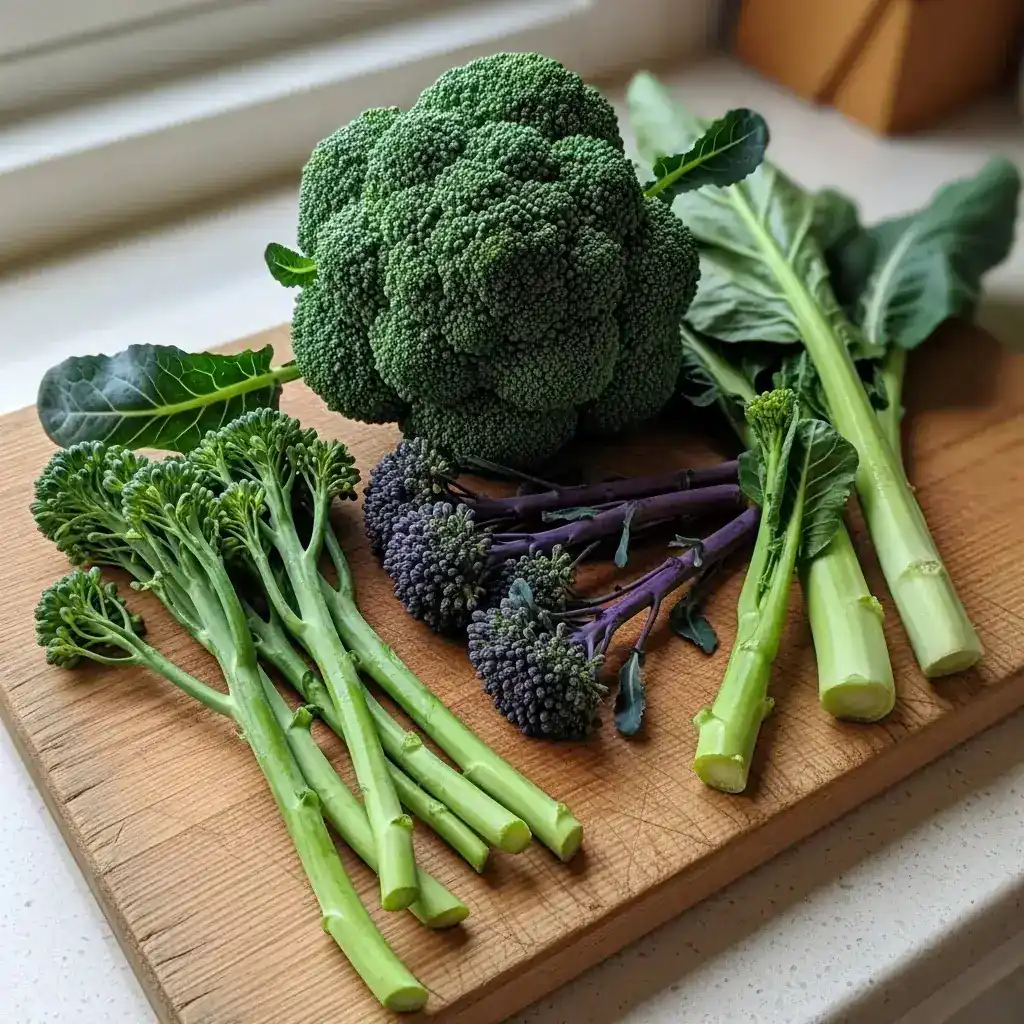
Store unwashed broccoli in a loose or perforated bag in the refrigerator and plan to use it within 3 to 5 days. Freeze fresh broccoli after blanching if you need longer storage.
Before you put it away
- Raw head: unwashed, dry, loose or perforated bag.
- Fridge: 40°F (4°C) or below; plan for 3 to 5 days.
- Freezer: blanch fresh broccoli, cool, drain, pack and date.
- Cooked: shallow covered container; refrigerate promptly.
- Mold, slime or an unpleasant smell: discard.
Use this checklist with the explanations and linked sources below.
How should you store a fresh head?
Put broccoli into the refrigerator as soon as practical. Keep it unwashed in a loose or perforated bag in the crisper. Colorado State University Extension gives 3 to 5 days for refrigerated fresh broccoli. Treat that as a shopping and meal-planning window, rather than a way to certify a head is safe by its age alone.
Choose firm stems and tight florets when shopping. If a head is already limp or yellowing, plan to use it sooner. Washing before storage adds moisture, so leave rinsing until preparation. If the broccoli came home wet, pat it dry with a clean towel first.
Keep the refrigerator at 40°F (4°C) or below. A thermometer is more useful than guessing from how cold a shelf feels. Keep produce away from leaking raw meat or poultry, and clean the drawer if a spoiled vegetable has left liquid behind.
What if you have already cut the florets?
Refrigerate cut broccoli promptly in a clean container or bag. If it is washed, drain and dry it well. A clean paper towel can absorb remaining moisture; replace it if it gets wet. Follow the use-by and handling instructions on packaged, pre-cut broccoli. Keep the package label so you can check those instructions later.
Cutting creates more exposed surface, so prepare only what you expect to use and check it before cooking. Do not assume cutting restarts the storage clock. If you cut a head that was already several days old, its starting freshness has not changed. For technique, use the floret-cutting guide below.
How can you plan around a partly used head?
Check how much the meal needs before cutting everything. Leave the remaining head intact where practical, keep it dry and refrigerate it again promptly. A small leftover piece can go into a later cooked meal, but it still shares the original head's storage history. Do not assign it a fresh five-day window just because it changed containers.
Put the oldest broccoli where you will see it first. Add the purchase or preparation date to the bag or container, and decide now whether the next meal uses it or whether it should be blanched and frozen. That small decision is more useful than waiting until it has wilted.
When packing the freezer, label both the contents and date. Spread small packages rather than stacking a large amount of warm food together. Leave room for air to circulate while food freezes, then organize the packages so the oldest is easy to find.
When should you freeze broccoli?
Freeze a fresh head before it deteriorates when you cannot use it soon. Cut the florets into even pieces, then follow the National Center for Home Food Preservation method: water-blanch for 3 minutes or steam-blanch for 5 minutes. Cool promptly in cold water and drain well.
Freeze drained pieces on a tray if you want them to stay separate, then transfer to a freezer-safe package, remove excess air and label with the date. Keep at 0°F (-18°C). New Mexico State University lists 10 to 12 months for frozen broccoli. Blanching protects quality; it does not rescue spoiled food.
How can you tell whether broccoli has spoiled?
Check for mold, sliminess and an unpleasant odor. Discard spoiled broccoli rather than trimming away an obviously affected floret and assuming the rest is fine. Yellowing can be a quality change, but it does not override other signs of spoilage. Do not taste questionable food to test it.
A date is one clue, not a substitute for storage history. If broccoli was handled poorly or sat warm for a long time, putting it back in the fridge does not undo that. The spoilage guide below helps distinguish ordinary loss of freshness from reasons to throw it out.
How are cooked leftovers different?
Store cooked broccoli in a shallow, covered container within 2 hours, or within 1 hour when the room is hotter than 90°F (32°C). USDA advises using refrigerated leftovers within 3 to 4 days and reheating them to 165°F (74°C).
Write the cooking date on the container, especially if you cook several meals ahead. Reheat the portion you plan to eat. Fresh-head storage guidance and cooked-leftover guidance serve different purposes; the loose bag for a raw head is not a substitute for a covered container of cooked food.
Explore the guides
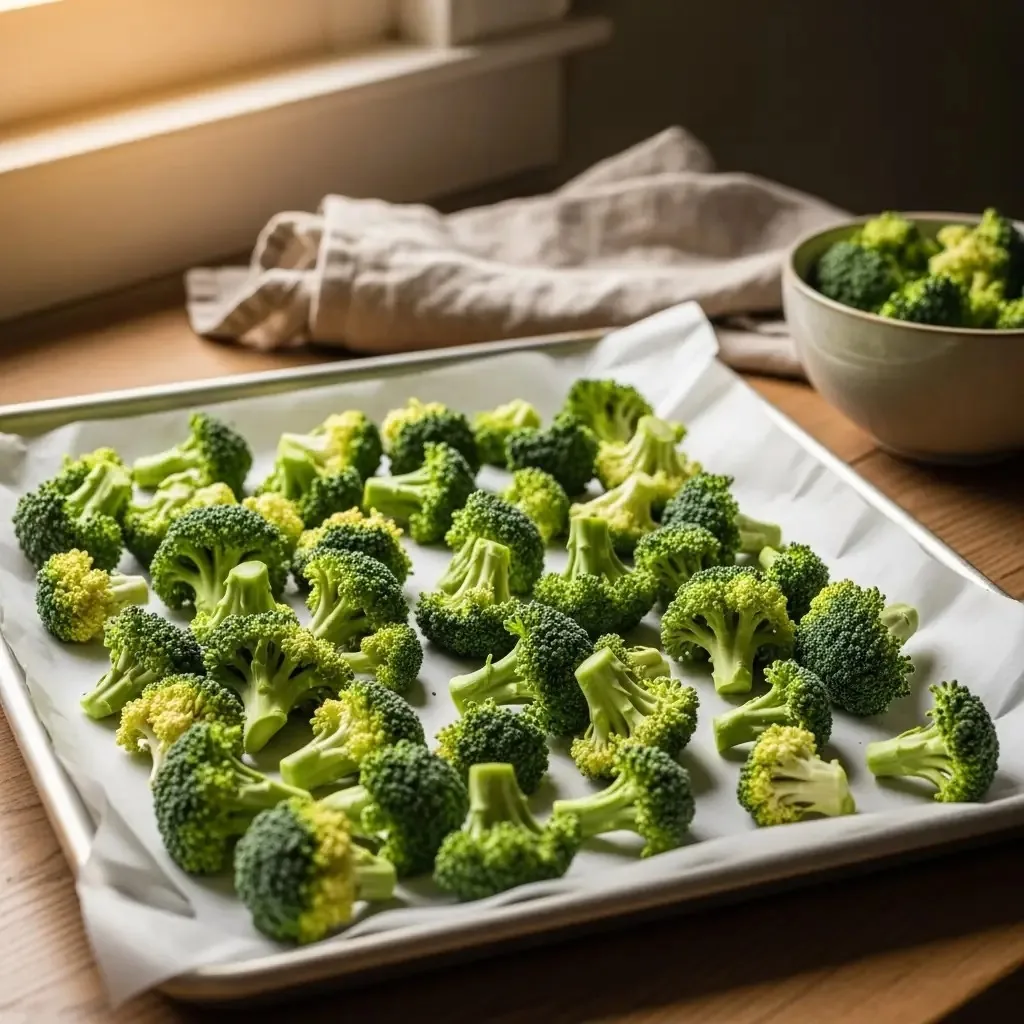
How to Freeze Broccoli
Blanch, cool, drain and pack broccoli for the freezer.
Read more →Broccoli Shelf Life
Compare fresh and cooked storage windows.
Read more →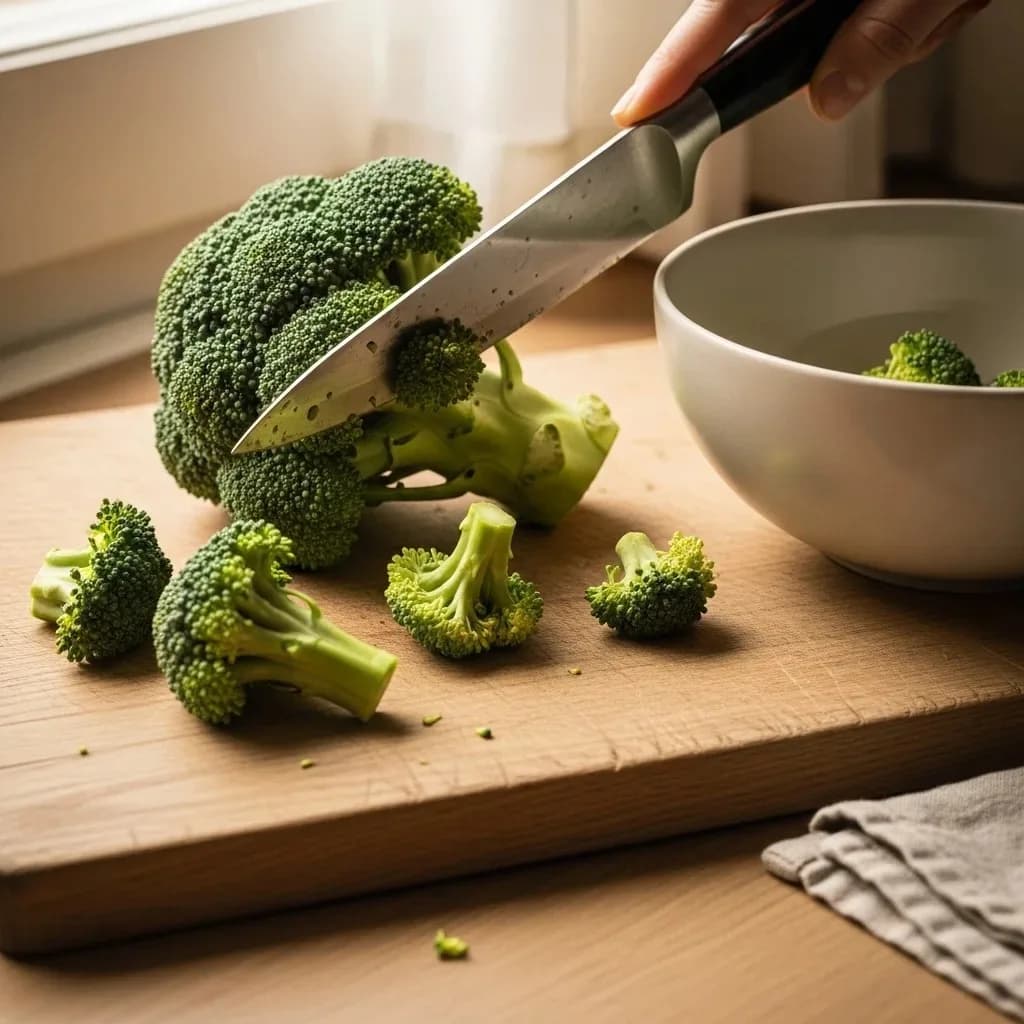
How to Cut Broccoli Florets
Make even florets and use the tender center of the stalk.
Read more →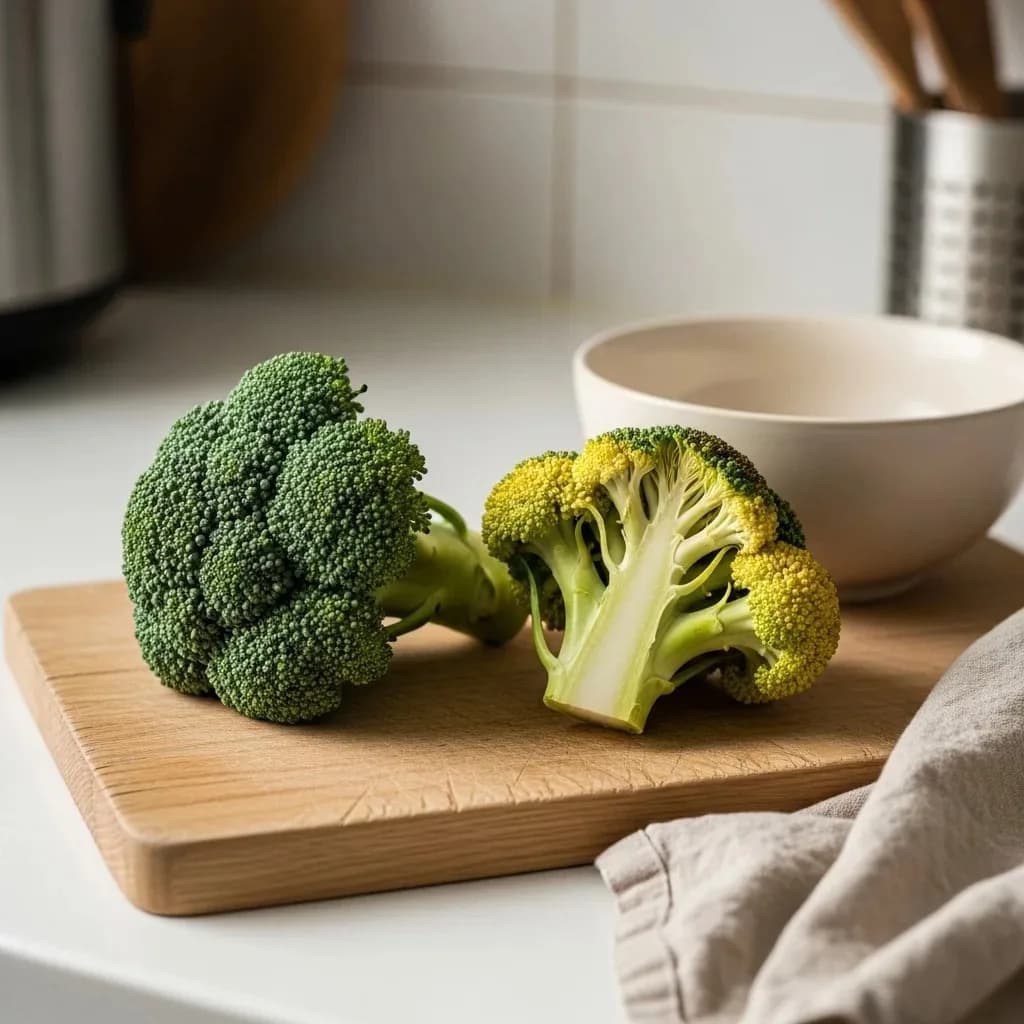
Is My Broccoli Bad?
Check yellowing, mold, odor and texture before cooking.
Read more →FAQs
Should broccoli be stored wet or dry?
Store it unwashed and dry in a loose or perforated bag. Rinse under running water just before preparation. If it is already wet, dry it before putting it away.
Can broccoli last two weeks in the fridge?
Do not plan on two weeks. Use the 3-to-5-day home-storage guidance as a practical planning window. Starting freshness and refrigerator conditions vary, so check its condition before use.
Does broccoli need an airtight bag?
For a raw head, use a loose or perforated bag so moisture does not remain trapped around the florets. Cooked leftovers need a covered container instead.
How long does frozen broccoli keep?
Plan on about 10 to 12 months for best quality in a freezer held at 0°F (-18°C). This is a quality window, not a guarantee: preparation and temperature control matter.